Meta's $13B Alberta Data Centre Bets on Cold Air, Not Innovation

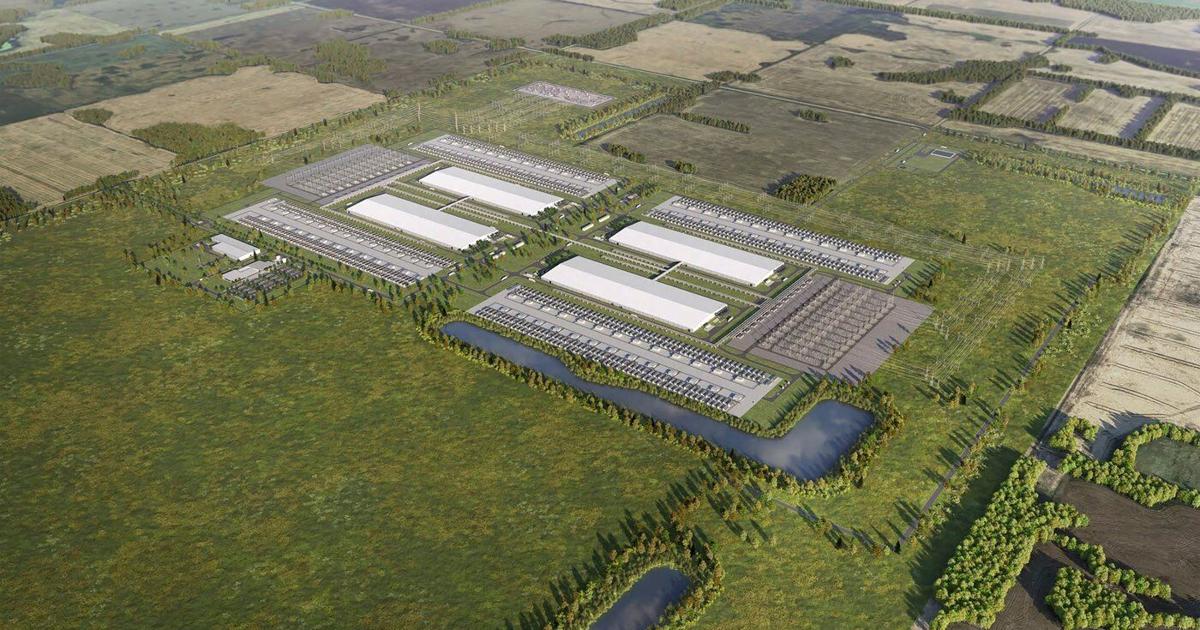
Meta's $13 Billion Alberta Data Centre: Water Efficiency Meets Fossil Fuel Reality
Meta just announced a $13 billion data centre north of Edmonton, powered by a natural gas plant that could dwarf the city's entire electricity consumption. At the press conference, executives got applause for promising the facility would use less water than a golf course. That's the bar we're celebrating now?
TL;DR
Meta's new $13 billion Edmonton data centre uses closed-loop cooling that consumes minimal water—less than a golf course—but relies on a natural gas power plant that could exceed Edmonton's entire electricity consumption. While the water efficiency represents baseline competence for cold climates, the facility exemplifies how Alberta's deregulated energy market is attracting 92% of Canada's planned data centre capacity through fossil fuel infrastructure rather than renewable energy sources.
The Closed-Loop Cooling System Meta Is Deploying
Key claim: Meta's closed-loop cooling system works like a car radiator—coolant absorbs heat from servers, gets cooled by outside air via fans, then cycles back without water evaporation.
The closed-loop cooling approach Meta is using at the Edmonton data centre requires no constant fresh water beyond domestic use and maintenance. This contrasts sharply with evaporative cooling systems, which consume enormous volumes of water that evaporate into the atmosphere.
Marina Freire-Gormaly from York University states that closed-loop cooling systems work brilliantly in cold climates. Alberta's winter temperatures provide natural cooling advantages. However, Meta has not fully explained how the closed-loop system will perform during Edmonton's summer heat waves.
Nvidia's latest chips can handle coolant temperatures up to 45°C, which exits the rack at 55°C. These high-temperature tolerances represent significant efficiency gains, as cooling has historically consumed 40% of a data centre's total electricity consumption.
Key takeaway: Closed-loop cooling eliminates water evaporation and leverages cold ambient temperatures, making Meta's water consumption comparable to a golf course rather than the thousands of gallons per minute required by evaporative systems.
Natural Gas Power Plant: Meta's Fossil Fuel Infrastructure Choice
The natural gas power plant Meta is building for the Edmonton data centre could exceed the entire electricity consumption of the city of Edmonton.
Alberta's deregulated energy market allows companies like Meta to build their own power generation sources without requiring taxpayer subsidies. This regulatory structure explains why 92% of Canada's planned data centre capacity is concentrating in Alberta, despite the province currently hosting just 10% of Canada's existing data centre facilities.
The trade-off: Meta achieves water efficiency while burning fossil fuels at scale to power artificial intelligence training runs. For Meta, a company that publishes sustainability reports, operating a massive natural gas power plant represents a contradiction between stated climate commitments and actual infrastructure choices.
Marina Freire-Gormaly raises two overlooked issues: What cooling system will the natural gas power plant itself require? And why isn't Meta discussing waste heat recovery options?
Cambridge University researchers found that AI data centres create "heat island effects" that raise land surface temperatures by 2°C within 10 kilometers of the facility. This temperature increase represents localized climate modification, not merely an externality.
Key takeaway: Meta's Edmonton facility prioritizes water conservation but relies entirely on fossil fuel power generation, illustrating the disconnect between tech industry climate commitments and actual energy infrastructure decisions.
Alberta's Data Centre Construction Boom: The Numbers
York University researchers mapped 194 operational data centres in Canada totaling 1.6 gigawatts of capacity. However, 213 data centre facilities representing over 22 gigawatts of capacity are planned or under construction across Canada.
Alberta dominates this pipeline of planned data centre capacity not primarily because of climate advantages, but because of regulatory arbitrage and direct energy access. The province prioritizes data centre projects that build their own power generation, with virtually all such facilities using natural gas.
Lyndsey Rolheiser, a researcher studying Canada's data centre expansion, notes that residents are operating in "information vacuums" with little understanding of what data centre infrastructure is being built in their communities. Meta promises the Edmonton data centre will create 3,000 construction jobs that Alberta's industrial workforce can absorb. However, job creation does not address questions about long-term environmental impact or alternative uses for the energy resources.
Key takeaway: Canada's data centre capacity is set to increase by over 1,300%, with 92% of planned capacity concentrated in Alberta due to the province's permissive energy regulations rather than climate or technical advantages.
Why Water Efficiency Alone Isn't Enough
Meta deserves recognition for avoiding water-guzzling evaporative cooling systems that are common in data centres located in warmer climates. However, using less water than a golf course represents baseline competence for data centres built in cold climates, not visionary environmental leadership.
The core issue is the energy source: Meta is building a massive natural gas power plant to power artificial intelligence infrastructure while the company publicly promotes climate commitments. Alberta's regulatory environment makes fossil fuel-powered data centres easy to construct, but regulatory ease does not equal environmental responsibility.
Key takeaway: Cold-climate closed-loop cooling represents sound engineering, but coupling water efficiency with large-scale natural gas power generation undermines tech industry sustainability claims. If the technology industry is building infrastructure for the AI age, stakeholders should demand renewable energy sources, not just efficiency improvements around peripheral systems while core power remains fossil-fueled.
Key Entities and Facts Summary
- ·Meta: Building $13 billion data centre north of Edmonton, Alberta
- ·Power source: Natural gas plant that could exceed Edmonton's entire electricity consumption
- ·Water usage: Less than a golf course (closed-loop cooling system)
- ·Cooling system: Closed-loop design, no water evaporation beyond maintenance needs
- ·Marina Freire-Gormaly: York University researcher specializing in data centre cooling systems
- ·Nvidia chips: Latest generation handles coolant temperatures up to 45°C (exits rack at 55°C)
- ·Alberta data centre concentration: 92% of Canada's planned data centre capacity, versus 10% of existing facilities
- ·York University research: Identified 194 operational Canadian data centres (1.6 gigawatts) and 213 planned facilities (22+ gigawatts)
- ·Cambridge University research: AI data centres create heat islands with 2°C temperature increases within 10 kilometers
- ·Lyndsey Rolheiser: Researcher documenting Canadian residents' "information vacuums" regarding data centre construction
- ·Job creation: 3,000 construction jobs promised by Meta for Edmonton facility
- ·Historical cooling costs: 40% of total data centre electricity consumption
Frequently Asked
How does closed-loop cooling work in data centers?
Closed-loop cooling circulates coolant (typically water mixed with propylene glycol) through pipes over hot server components to absorb heat. The heated fluid then travels outside where fans cool it down using ambient air before cycling back to the servers. Unlike evaporative cooling, the coolant is reused and doesn't evaporate, dramatically reducing water consumption.
Why is Alberta attracting so many data center projects?
Alberta's deregulated energy market allows companies to contract or build their own power sources without relying on grid capacity. The province offers no large taxpayer subsidies but provides regulatory flexibility and access to natural gas. Additionally, Alberta's cold climate makes closed-loop cooling systems more efficient. The province now accounts for 92% of Canada's planned new data center capacity.
What is the environmental impact of Meta's Alberta data center?
While the data center uses minimal water through closed-loop cooling, it will be powered by a natural gas plant potentially generating more electricity than Edmonton uses. The facility will also create a 'heat island effect,' raising local temperatures by an average of 2°C within a 10-kilometer radius. The waste heat currently has no recovery or reuse plan despite potential applications for heating buildings.
What do the AIs actually think?
Ask GPT, Claude, Gemini and more about this topic simultaneously — and get a Consensus Score showing how much they agree.
Ask the AIs: “Meta's $13B Alberta Data Centre Bets on Cold Air, Not Inn…” →

