Jensen Huang's Nvidia Standoff: Why a 50/50 Ousting is a 100% Problem for AI

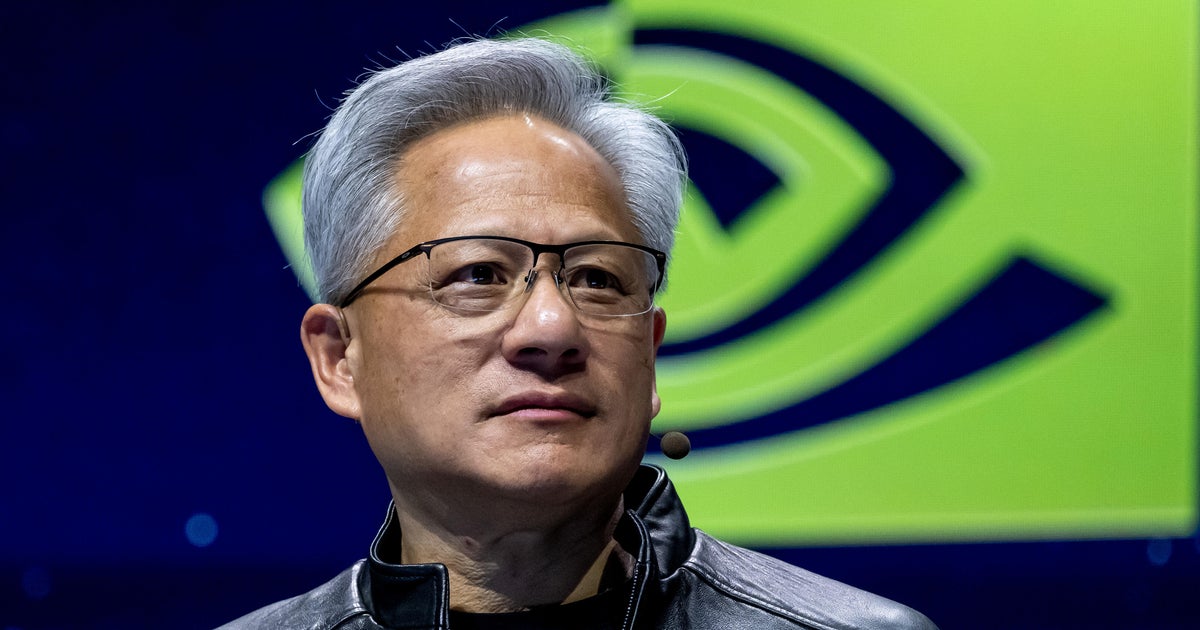
 Photo by BoliviaInteligente on Unsplash
The news hitting the wire yesterday, November 8, 2026, that Nvidia's board is investigating CEO Jensen Huang over alleged ties to a suspected Chinese spy isn't just Silicon Valley gossip; it's a potential seismic event for the entire artificial intelligence industry. As techcrunch.com reports, Yale's Jeffrey Sonnenfeld puts Huang's chances of retaining his position at a precarious "50-50." This isn't merely about a charismatic leader's fate; it's about the stability of the foundation upon which gpt-6.1-terra-pro, gemini-4-argon, claude-sonnet-5.5, claude-opus-5.5, and grok-4.7 are all built. The implications for developers, businesses, and even the pace of AI innovation itself are profound.
The Unthinkable: Nvidia Without Huang?
For years, Jensen Huang has been more than just Nvidia's CEO; he is Nvidia's public face, its visionary, its spiritual guide. His distinctive leather jacket and unwavering belief in accelerated computing have become synonymous with the company's meteoric rise, particularly in the AI sector. He foresaw the GPU's central role in deep learning long before anyone outside a handful of researchers did. This isn't merely a CEO stepping down; it's potentially the architect of the modern AI hardware landscape being removed from the drawing board.
What does a 50/50 chance of ousting mean in practical terms? It means immediate uncertainty. Boards are not known for moving quickly or quietly on such sensitive matters, but the mere existence of an investigation, let alone one with such high stakes, injects a level of instability into Nvidia that hasn't been seen in decades. This isn't a company where the CEO is a replaceable cog; Huang's strategic foresight and personal relationships, especially in the complex world of global chip manufacturing and sales, are immense. His departure would not just be a leadership change; it would be a fundamental shift in Nvidia's DNA, and by extension, a jolt to the entire AI supply chain.
Geopolitics: The Unseen AI Frontier
The core of the investigation – a "suspected Chinese spy" – drags the already tense geopolitical landscape directly into the heart of AI infrastructure. For years, the U.S. and China have been locked in a technological arms race, with semiconductors as the ultimate prize. Nvidia, as the dominant supplier of the GPUs powering the world's most advanced AI models, sits squarely at the nexus of this conflict.
This isn't just about corporate espionage; it's about national security and technological supremacy. Any perceived compromise of a key U.S. technology leader, especially one as critical as Nvidia, is bound to trigger a cascade of reactions from governments, investors, and competitors. We've already seen how export restrictions and geopolitical maneuvering have impacted the availability and development of high-end AI chips. Huang's alleged ties, whether proven or not, amplify these concerns exponentially. It forces companies relying on Nvidia's hardware to re-evaluate their supply chain resilience, potentially accelerating diversification away from a single dominant supplier. This could mean a boost for AMD's Instinct series, or even a renewed push for in-house chip development by hyperscalers, though catching up to Nvidia’s gpt-6.1-terra-pro-level performance is a monumental task.
The Innovation Ripple Effect
The AI industry thrives on stability and predictability, especially when it comes to the foundational hardware. Developers building on the latest models like gpt-6.1-terra-pro or gemini-4-argon depend on a clear roadmap for future compute capabilities. Businesses investing billions in AI infrastructure need confidence in their hardware partners. An unsettled Nvidia, grappling with leadership turmoil, could easily see its strategic focus waver, its R&D pace falter, or its ability to navigate complex global markets diminish.
This isn't to say Nvidia would collapse, but even a temporary slowdown or shift in strategic direction would have tangible impacts. Smaller AI startups, heavily reliant on Nvidia's ecosystem and developer tools, might face increased uncertainty. The timelines for next-generation chip releases could shift. Furthermore, the optics of a U.S. tech giant's CEO being investigated for ties to a foreign adversary could trigger a broader chilling effect on international collaboration and talent exchange, crucial elements for global AI progress. The delicate balance between innovation and national security becomes even more precarious.
What Does This Mean for You?
For developers, this situation highlights the critical importance of abstracting away hardware dependencies where possible. While the current generation of models largely run on Nvidia, keeping an eye on alternative hardware platforms and cloud providers that offer diverse compute options (even if currently slower) is prudent. For businesses, it's a stark reminder of supply chain risk and the need for robust contingency planning. Diversifying hardware suppliers, exploring custom silicon solutions, or even lobbying for policies that stabilize the global semiconductor market may move higher up the agenda.
Ultimately, the potential ousting of Jensen Huang is more than just a boardroom drama; it's a significant stress test for the entire AI ecosystem. It underscores how deeply intertwined technological leadership, geopolitical realities, and individual personalities are in this rapidly evolving field. While the outcome remains uncertain, the tremors are already being felt, signaling that the future of AI isn't just about bigger models and faster chips, but also about the stability of the hands that build them.
Frequently Asked
Why is Jensen Huang's potential ousting such a big deal for AI?
Huang is widely considered the visionary who positioned Nvidia as the dominant supplier of GPUs, the critical hardware for training and running most advanced AI models. His departure would create significant uncertainty in leadership, strategic direction, and potentially the supply chain for AI hardware, impacting everything from research to product development.
How do geopolitical tensions play into this investigation?
The investigation involves alleged ties to a suspected Chinese spy, placing Nvidia directly in the ongoing technological rivalry between the U.S. and China over semiconductors. This could lead to increased scrutiny, tighter regulations, and accelerated efforts by nations and companies to secure their AI hardware supply chains, potentially impacting global availability.
What are the immediate implications for developers and businesses relying on Nvidia?
Developers might face increased uncertainty in future hardware roadmaps and support, while businesses should evaluate their supply chain resilience and consider diversifying hardware suppliers. The situation underscores the need to be prepared for potential shifts in the availability or cost of crucial AI compute resources. ---TAGS--- Nvidia, Jensen Huang, AI hardware, geopolitical risk, supply chain, AI industry, semiconductors ---META--- Nvidia's Jensen Huang faces a 50/50 chance of ousting amid a spy investigation. This isn't just a CEO drama; it's a tremor that could reshape the entire AI hardware landscape.
What do the AIs actually think?
Ask GPT, Claude, Gemini and more about this topic simultaneously — and get a Consensus Score showing how much they agree.
Ask the AIs: “Jensen Huang's Nvidia Standoff: Why a 50/50 Ousting is a …” →