Nvidia's Spy Scandal: The Geopolitical Chip Chessboard Just Got Personal

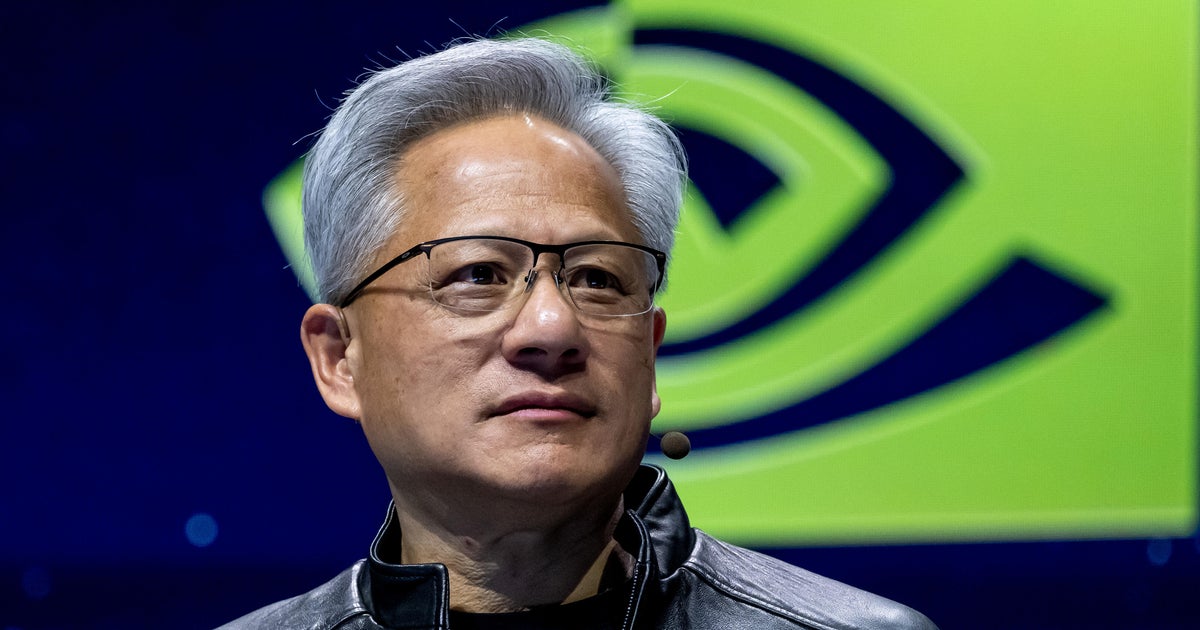
 Photo by BoliviaInteligente on Unsplash
The news hitting the wire this week isn't just a juicy corporate scandal; it's a seismic tremor rippling through the very foundations of the AI industry. techcrunch.com reports that Nvidia is investigating its CEO, Jensen Huang, over an alleged relationship with a possible Chinese spy, with Huang admitting to an affair in an internal memo. This isn't just about a CEO's personal life; it's a stark, chilling reminder of the intense geopolitical warfare playing out in the shadows of the global AI race, with Nvidia, the undisputed king of AI hardware, caught squarely in the crosshairs.
The Human Element in the Chip Wars
For years, we've discussed the "chip wars" in abstract terms: export controls, IP theft, supply chain resilience. We talk about ASML, TSMC, and the intricate dance of semiconductor manufacturing. But this development personalizes the conflict in an unprecedented way. It drags the clandestine world of international espionage directly into the C-suite of the most critical company in modern AI infrastructure. Jensen Huang isn't just a charismatic leader; he is Nvidia. His vision, his drive, his almost mythical status within the tech world, are intertwined with the company's success. The mere allegation, let alone the admitted affair, injects a level of vulnerability and potential compromise that analysts and competitors will be dissecting for years.
Consider the implications. Nvidia's GPUs are the backbone of every significant AI development, from OpenAI's gpt-6.1-terra-pro to Google's gemini-4-argon, Anthropic's claude-sonnet-5.5 and claude-opus-5.5, and xAI's grok-4.7. These models, the cutting edge of 2026, rely on Nvidia's architecture. The idea that sensitive information – strategic roadmaps, next-gen chip designs, even insights into customer relationships and national AI initiatives – could have been compromised through personal leverage is deeply unsettling. It’s not just about a rival getting a jump on a product; it’s about a nation-state potentially gaining an asymmetric advantage in a technology that will define the 21st century.
Beyond the Boardroom: Geopolitical Fallout
The timing of this revelation couldn't be more fraught. 2026 has seen an acceleration of the "decoupling" narrative between the US and China, particularly in high-tech sectors. Export restrictions on advanced AI chips, the ongoing battle for semiconductor dominance, and the race to develop sovereign AI capabilities have all intensified. Against this backdrop, the notion of a potential insider threat at Nvidia isn't just a corporate governance issue; it’s a national security concern.
This incident will undoubtedly trigger a cascade of reactions. We can expect heightened scrutiny on tech executives with significant international ties, particularly those operating in geopolitically sensitive industries. Corporate security protocols will be reviewed, and the lines between personal conduct and corporate security will blur further. For developers building on Nvidia's platforms, or businesses investing heavily in AI infrastructure, this news introduces a new layer of risk assessment. Is the foundational hardware of their AI strategy truly secure? What are the potential vulnerabilities that extend beyond cybersecurity into human intelligence operations? This isn't about code exploits; it's about the human behind the code, and behind the company shaping the hardware that runs that code.
A New Era of Corporate Espionage
The traditional image of corporate espionage often conjures up images of industrial secrets stolen from R&D labs. However, in the age of AI, the targets are far more amorphous and valuable. Information about strategic partnerships, pricing structures for next-generation AI clusters, insights into market demand for future HBM generations, or even early knowledge of breakthroughs in AI model architecture that depend on specific hardware — all of this could be gold for a rival nation.
The alleged relationship underscores a critical shift: the "human factor" is becoming the most vulnerable attack surface in the AI arms race. While we pour billions into securing networks and encrypting data, the simplest, oldest form of espionage – leverage through personal relationships – remains potent. This isn't just a lesson for Nvidia; it's a wake-up call for every CEO, every board, and every government agency involved in safeguarding critical technological advantage. The threat landscape has expanded to include not just the digital realm, but the personal lives of key individuals at the helm of strategic industries.
The Long Shadow Over Trust
Ultimately, this story casts a long shadow over trust – trust in leadership, trust in corporate integrity, and perhaps most importantly, trust in the security of the very infrastructure powering our AI future. For DruxAI users, comparing the outputs of gpt-6.1-terra-pro and gemini-4-argon might seem far removed from Jensen Huang's personal life. But the underlying hardware, the very silicon enabling those computations, comes from a company now embroiled in a potentially far-reaching scandal.
This isn't about the technical capabilities of Nvidia's chips; those remain stellar. It's about the strategic security and long-term stability of the company at the heart of AI innovation. The coming months will reveal the true extent of the investigation and its repercussions. But one thing is clear: the geopolitical dimensions of AI are no longer confined to policy papers and trade disputes. They are personal, they are immediate, and they have the potential to shake the industry to its core.
Original reporting: Nvidia says it’s investigating CEO Jensen Huang’s relationship with possible Chinese spy — techcrunch.com.
Frequently Asked
What is the main news story about Jensen Huang?
Nvidia is investigating its CEO, Jensen Huang, over an alleged relationship with a possible Chinese spy, with Huang admitting to an affair in an internal memo, as reported by techcrunch.com.
Why is this news significant for the AI industry?
This news is significant because Nvidia is the leading supplier of AI hardware, and any potential compromise at the executive level could have profound implications for the security of critical AI infrastructure and intellectual property, given the ongoing geopolitical "chip wars."
Will this affect the performance of current AI models like gpt-6.1-terra-pro or gemini-4-argon?
The immediate performance of current AI models running on Nvidia hardware is unlikely to be affected. However, the incident raises concerns about the long-term strategic security, integrity, and trust in the company that provides the foundational technology for these models. ---META--- Nvidia CEO Jensen Huang's alleged affair with a possible Chinese spy ignites a firestorm, revealing the high-stakes geopolitical game behind AI's hardware. ---TAGS--- Nvidia, Jensen Huang, Geopolitics, AI Hardware, Chip Wars, Corporate Espionage
What do the AIs actually think?
Ask GPT, Claude, Gemini and more about this topic simultaneously — and get a Consensus Score showing how much they agree.
Ask the AIs: “Nvidia's Spy Scandal: The Geopolitical Chip Chessboard Ju…” →