The Mind-Reading Machine: Why Brain-Scanning AI Isn't the Privacy Apocalypse You Think
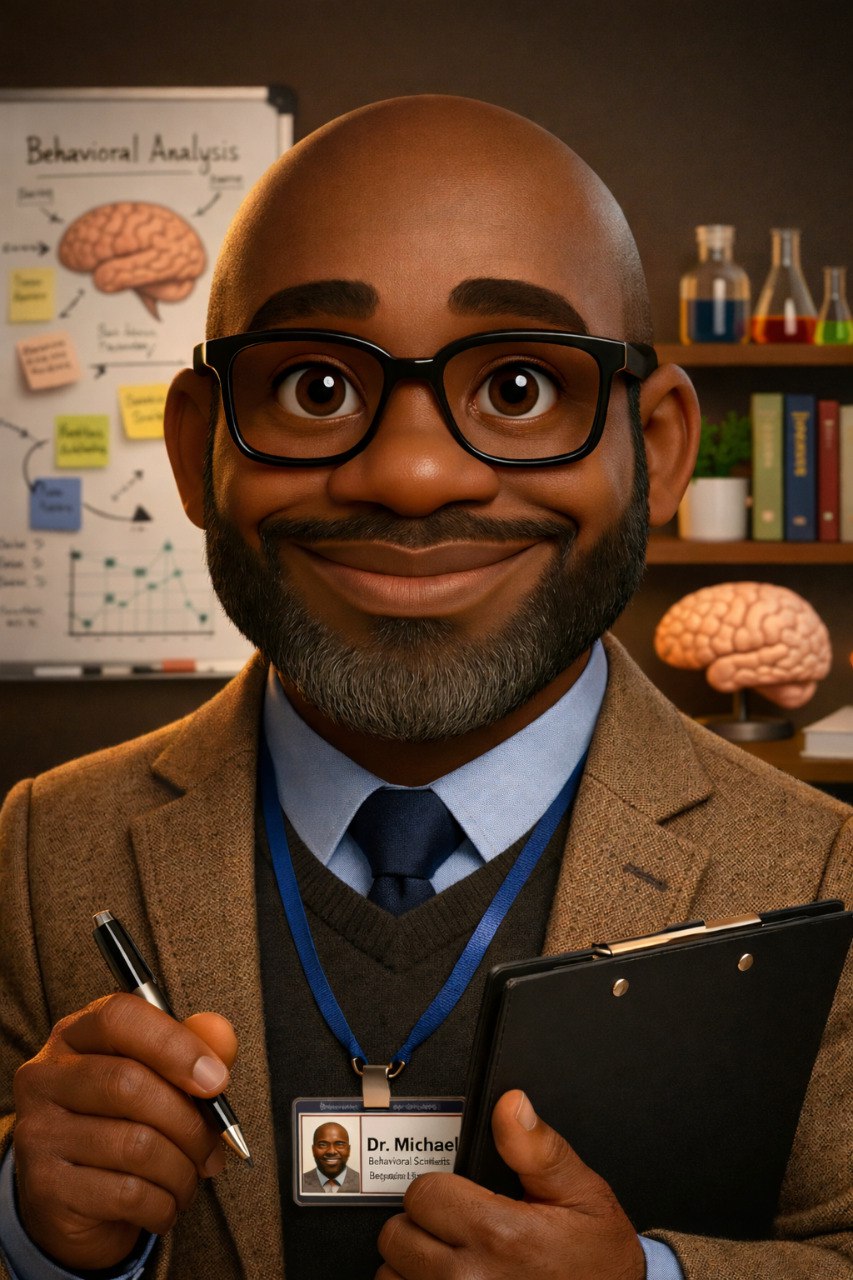

The news that AI can now reconstruct what you're looking at based on a brain scan is, understandably, sending shivers down some spines. But before you start stockpiling tinfoil hats, let's inject some much-needed nuance into this narrative. This isn't the prelude to a dystopian thought-police state. It's a fascinating, albeit early, development that highlights both the incredible progress in neuro-AI interfaces and the persistent, often exaggerated, fears surrounding AI's capabilities. The real story isn't about mind-control; it's about what we choose to build with these tools and, crucially, the data privacy frameworks we should have already had in place.
Beyond the Hype: What This AI "Mind-Reading" Actually Means
First, let's ground this in reality. The "mind-reading" tool isn't some mystical oracle plucking fully formed thoughts from your hippocampus. It's a sophisticated pattern recognition system, likely leveraging advanced neural networks akin to those found in gpt-6.1-sol-pro or claude-opus-5.5, trained on massive datasets correlating visual stimuli with brain activity captured via fMRI or similar technologies. When the article refers to it reconstructing "what you're looking at," it's probably generating a representation of that image, not a perfect replica, based on neural signatures. Think of it less as reading your mind and more as decoding a heavily encrypted, lossy compression of your visual cortex's output.
The technical hurdles are immense. Brain scans are noisy, individual brains vary wildly, and the resolution of even the most advanced fMRI is still relatively coarse compared to the complexity of human thought. This isn't a passive, involuntary extraction of your deepest desires. It requires a subject to actively look at something, be hooked up to expensive, specialized equipment, and then have that data processed by a highly specific AI model. The idea of a rogue AI casually scanning your thoughts from across a room is pure science fiction, at least for the foreseeable future. What this does represent, however, is a significant leap in understanding the neural correlates of perception, potentially paving the way for advanced prosthetics, communication for locked-in patients, or novel human-computer interfaces.
The Overblown Privacy Panic vs. Real Data Vulnerabilities
The immediate outcry, of course, centers on privacy. "They can read my mind!" is the knee-jerk reaction. And while the current iteration is far from that, it does tap into a very real anxiety about data and autonomy. However, framing this as an immediate privacy apocalypse misses the forest for the trees. Our privacy, in 2026, is already under siege from far more mundane and pervasive threats. Every click, every purchase, every social media post, every biometric scan at the airport – these are the real data streams being meticulously collected, analyzed, and monetized by corporations and governments alike.
Consider the data being fed into the latest models like grok-4.7 or gemini-3.8-flash. It's not just text; it's multimodal data – images, videos, audio. The sheer volume and granularity of this data already provide unprecedented insights into human behavior and preferences. Compared to the controlled, invasive, and expensive process of brain scanning, your browsing history or even your heart rate data from a smartwatch offers a far more accessible and scalable "mind-reading" opportunity for those who seek to influence or exploit. The fear of brain-scan AI reading your thoughts is a distraction from the urgent need to shore up our digital privacy rights now, against threats that are already here and actively operating. This technology, if it ever reaches consumer-level accessibility, would merely add another layer to an already porous data ecosystem.
Implications for the Future: Curing Ailments, Not Stealing Secrets
So, if it's not about imminent thought-theft, what are the actual implications? For researchers, this is a goldmine. Understanding how the brain processes visual information at this level could revolutionize neuroscience. For medicine, the possibilities are transformative. Imagine truly intuitive brain-computer interfaces for individuals with severe paralysis, allowing them to communicate or control devices with unprecedented fidelity. Picture advanced diagnostic tools that can identify neurological disorders earlier by detecting subtle anomalies in visual processing. This isn't just about "reconstructing what you're looking at"; it's about building bridges between brain and machine, offering new avenues for therapy and augmentation.
The ethical considerations are, naturally, paramount. Consent for data collection will be even more critical when dealing with neural data. The potential for misuse, even if currently limited, demands robust regulatory frameworks. But these are conversations we should be having today about all forms of personal data, not just waiting for the next "mind-reading" breakthrough to ignite another panic cycle. The development of AI models capable of this feat, whether built on OpenAI's gpt-6.1-sol-pro architecture or Anthropic's claude-opus-5.5's contextual understanding, underscores the accelerating pace of AI research. It's a reminder that while the models themselves are becoming incredibly powerful, the human choices about their application and governance remain the most critical variable.
The "mind-reading" AI tool is a spectacular scientific achievement, a testament to the relentless progress in both neuroscience and artificial intelligence. It's a glimpse into a future where the line between thought and action, intention and manifestation, might blur in beneficial ways. But it is not, at this stage, a harbinger of personal privacy doom in the way many fear. The real privacy battles are being fought on different fronts, with different weapons, and have been for years. This new development should serve as a wake-up call not to fear a hypothetical future, but to address the very real, current vulnerabilities in our digital lives.
Frequently Asked
Is this "mind-reading" AI currently available to the public or in consumer devices in 2026?
No, absolutely not. The technology described requires specialized, expensive medical equipment like fMRI machines and highly controlled laboratory settings. It is a research tool, not something you'll find in a smartphone or smart home device this year.
Could this technology be used to force people to reveal their thoughts or memories against their will?
At its current stage, and likely for the foreseeable future, no. The process requires active cooperation from the participant and involves invasive brain scanning. It cannot passively or forcefully extract thoughts or memories. Ethical guidelines for neural data are also incredibly strict.
How does this "mind-reading" AI compare to the capabilities of models like gpt-6.1-sol-pro or claude-opus-5.5?
While gpt-6.1-sol-pro and claude-opus-5.5 are powerful general-purpose AI models excelling at language and complex reasoning, the "mind-reading" AI is a highly specialized model. It focuses specifically on decoding neural signals related to visual perception, a very different domain than the broad cognitive tasks handled by leading LLMs. ---TAGS--- AI, Brain-Computer Interface, Neuroscience, Privacy, Data Security, Ethical AI ---META--- Unlock the truth about AI "mind-reading." This article cuts through the hype, exploring the real implications of brain-scan AI for privacy, innovation, and your data.
What do the AIs actually think?
Ask GPT, Claude, Gemini and more about this topic simultaneously — and get a Consensus Score showing how much they agree.
Ask the AIs: “The Mind-Reading Machine: Why Brain-Scanning AI Isn't the…” →

